
The Medical and Physio Team Behind a Safe Race Day: What Every Runner Should Know
The Medical and Physio Team Behind a Safe Race Day: What Every Runner Should Know
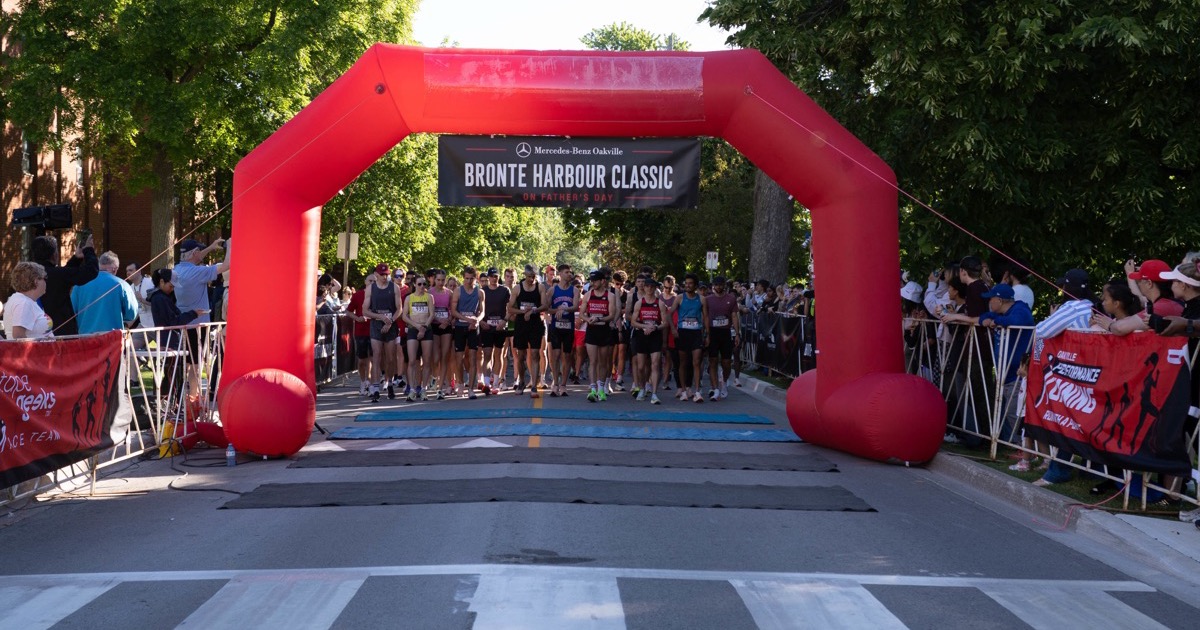
When a race goes smoothly, you rarely notice why. At the first Bronte Harbour Classic in Oakville on June 21, 2026, more than 900 runners completed a fast, sold-out 5K and kids' 1K on a clear, warm morning with almost no drama. Behind that calm were two layers of care most runners never think about until they need them: a sports physiotherapy clinic that helped prepare athletes beforehand, and a St. John Ambulance medical team on course. This guide explains what both do, what the evidence says actually prevents running injuries, and how to find a clinic in Canada that genuinely treats runners.
Quick answer: A safe race depends on two things — preparation and response. Sports physiotherapists keep runners healthy before race day by managing niggles, correcting load and gait, and building strength; on-course medical teams handle anything that happens during the event. If you train for races, finding a clinic that treats runners is part of your preparation, not an afterthought. In most Canadian provinces you can book physiotherapy directly without a doctor's referral.
Most race-day safety is built weeks before the start line.
The medical tent is the visible part of race safety, but the larger share of injury prevention happens long before the gun. Runners who reach the line healthy usually got there by handling small problems early — a grumbling knee, a tight calf, an Achilles that complained after speedwork — instead of training through them until something tore.
That is the role a sports physiotherapist plays. At the Bronte Harbour Classic, Be Active Physio supported athletes in the lead-up. A good sports physio does not just treat the sore spot. They look at training load, footwear, running cadence, hip and ankle strength, and the exact point in a run when symptoms appear — then build a plan that keeps you training where it is safe to.
See a physio before you're injured, not only after
Here is the shift most recreational runners miss: a physiotherapist is not only for emergencies. Canadian running coaches and clinicians increasingly recommend a yearly "prehab" assessment — a movement screen, strength check, and gait look — even when nothing hurts, the same way you would service a car before a long trip rather than after it breaks down. For a goal race, a single visit a few weeks out can catch the weakness that would have become an injury at kilometre four.
What a sports physio actually does for runners.
Sports physiotherapy for runners is about far more than rest and ice; it is a running-specific assessment of why a problem is happening. A clinician who works with runners will typically look at several things at once and turn them into a plan:
- Training load — how fast your mileage and intensity have climbed, and whether that matches what your body can absorb right now.
- Gait and cadence — how you actually move, sometimes with video analysis, since small mechanical patterns drive many overuse injuries.
- Strength and mobility — hip, glute, calf, and ankle capacity, which is where a lot of "knee" and "foot" problems really start.
- Footwear — whether your shoes suit your gait and how many kilometres are on them.
- A return-to-run plan — a graded way back that keeps fitness where possible instead of jumping from total rest straight back to full mileage.
Race-day preparation is part of this too. A physio can help with the unglamorous things that end races — blister and chafing prevention, cramp management, a warm-up that primes rather than tires — alongside the bigger work of keeping you durable.
The evidence on preventing running injuries.
Research on running-injury prevention keeps pointing to the same handful of levers, and none of them is complicated. Reviews of the running-injury literature consistently highlight strengthening, gait re-education, gradual or graduated running programs, sensible footwear, adequate recovery, and good education as the factors that move the needle. The common thread is managing load — giving tissue time to adapt — rather than any single magic exercise.
That matters because most running injuries are overuse injuries: they come from doing too much, too soon, not from one dramatic moment. A widely used guideline is to increase weekly running volume by no more than about 10% per week. It is a rule of thumb, not a law, but runners who respect their own limits and build strength tend to be the ones who stay healthy.
Worth knowing: for a familiar, minor niggle, simple support can carry you through a training block — easy days, load management, and supporting the area with kinesiology tape you have used before. The line to watch: recurring pain, swelling, or anything that changes how you run is a sports-physio conversation, not a tape-over-it one.
On-course medical support is the safety net you hope you never use.
During the event itself, a trained medical team covers the things preparation cannot predict. At the Bronte Harbour Classic, a St. John Ambulance team was on course for falls, dehydration, heat on a warm morning, or a runner who pushed past a warning sign. Their presence is also what lets runners commit to an honest effort — you can chase a hard time knowing qualified help is right there.
It is worth saying plainly: respect the warning signs. Chest pain, dizziness, or a sudden sharp injury mid-race is a reason to stop and find medical staff, not to gut it out for a finisher's medal. The fastest runners that morning broke 15 minutes; the smartest ones knew the difference between discomfort and a problem.
Physio, chiropractor, or athletic therapist in Canada — what's the difference?
Runners in Canada have a few types of clinicians to choose from, and the right one depends on what you need. The distinctions are practical, not rigid, and many sports clinics have more than one under the same roof:
- Physiotherapist — assessment, hands-on treatment, and exercise-based rehab for injuries and return-to-run programming.
- Chiropractor — focuses on joint and spine assessment and manual treatment; many also do soft-tissue and rehab work.
- Athletic therapist (CAT(C)) — sport-specific assessment and on-field/return-to-sport care, common in the racing and team-sport world.
In most Canadian provinces you can book physiotherapy directly without a doctor's referral. The catch is coverage: public funding for physio is limited and varies by province, and many extended health insurance plans ask for a referral before they reimburse — so check your plan before your first visit. Practically, that means a runner can usually get assessed quickly; the paperwork is about who pays, not whether you can go.
How to find a clinic that actually treats runners.
"Physio near me" is too broad, because a clinic that mainly handles post-surgical rehab may be excellent and still not the right fit for an IT band flare three weeks before your race. When you are training toward an event, look specifically for clinics that list running-injury assessment, gait or video running analysis, and return-to-run programming, and whose clinicians work with runners regularly.
That is exactly what SportsClinicFinder is built for. Search by city and by what you actually need — sports physiotherapy, running-injury assessment, or a clinic near your race — instead of booking the first open slot. A runner-focused clinician considers your training load, cadence, footwear, and race calendar, not just the painful joint in isolation, and that difference is what gets you to the start line healthy.
Frequently asked questions
Do I need a referral to see a sports physio in Canada?
In most provinces you can book physiotherapy directly without a doctor's referral. However, many extended health insurance plans require a referral for reimbursement, so check your specific plan before your first appointment. Public coverage for physiotherapy is limited and varies by province, so many runners use private clinics covered by workplace benefits.
When should I see a physio about a running niggle before a race?
Sooner than most runners do. If a niggle has not settled within 7 to 10 days, or it returns at the same point in every run, book an appointment rather than waiting for race week. Early assessment usually means a smaller adjustment to your training, while leaving it until a few days out limits your options to rest or race.
Should runners see a physiotherapist even when nothing hurts?
Yes — an annual "prehab" check is a reasonable habit for regular runners. A movement screen, strength assessment, and gait look can catch the weaknesses and load patterns that turn into injuries before they do, especially when you are ramping up for a goal race. Think of it as maintenance, not repair.
What does a sports physio assessment for runners include?
A running-focused assessment typically covers training load, running gait and cadence (sometimes on video), hip and ankle strength and mobility, footwear, and the specific point in a run where symptoms appear. From that, the physio builds a plan — which might include strengthening, gait cues, load adjustments, or a graded return-to-run program — rather than treating the sore spot in isolation.
What actually prevents running injuries?
The evidence points to a few consistent levers: strengthening, gait re-education, gradually building your mileage, suitable footwear, and adequate recovery. Most running injuries are overuse injuries from doing too much too soon, so managing load — a common guideline is increasing weekly volume by no more than about 10% — matters more than any single stretch or gadget.
What's the difference between a physiotherapist and a chiropractor for runners?
A physiotherapist focuses on assessment, hands-on treatment, and exercise-based rehab and return-to-run programming. A chiropractor focuses on joint and spinal assessment and manual treatment, though many also offer soft-tissue and rehab work. For most running overuse injuries, a runner-focused physiotherapist or athletic therapist is a natural starting point; the best choice is a clinician who regularly treats runners.
How do I find a clinic that treats runners near me in Canada?
Use a directory that lets you filter for running-injury assessment, gait analysis, and return-to-run programming, rather than searching "physio near me" and hoping. SportsClinicFinder lets you search by city and service across Canada so you can match with a clinic that actually treats runners, which matters most when you are preparing for or recovering from a race.
The first Bronte Harbour Classic was a fast, friendly, well-run morning — and a reminder that the safest races are built on preparation and support, not luck. Read the full event story in the Bronte Harbour Classic 2026 recap, and when a niggle needs more than rest, use SportsClinicFinder to find a clinic that treats runners near you.

