Sports Injury & Clinic Finder Blog
Practical guides on physiotherapy, kinesiology tape, sports injuries, and finding the right clinic across Canada.
 Featured
Why We Built SportsClinicFinder — Canada's Sports Clinic Directory
Canada had no dedicated sports clinic directory. Patients were guessing. Clinic owners were invisible. We built SportsClinicFinder to fix that — 13,447 clinics, 522 cities, free to use.

Patient Education Handouts for Canadian Sports Clinics: A Free 31-Technique Taping Guide
Most patient handouts get filed instead of used. Here is what the research says about home-program adherence, what makes a handout work, and how Canadian clinics can get a free 31-technique taping guide co-branded with their own name and logo.
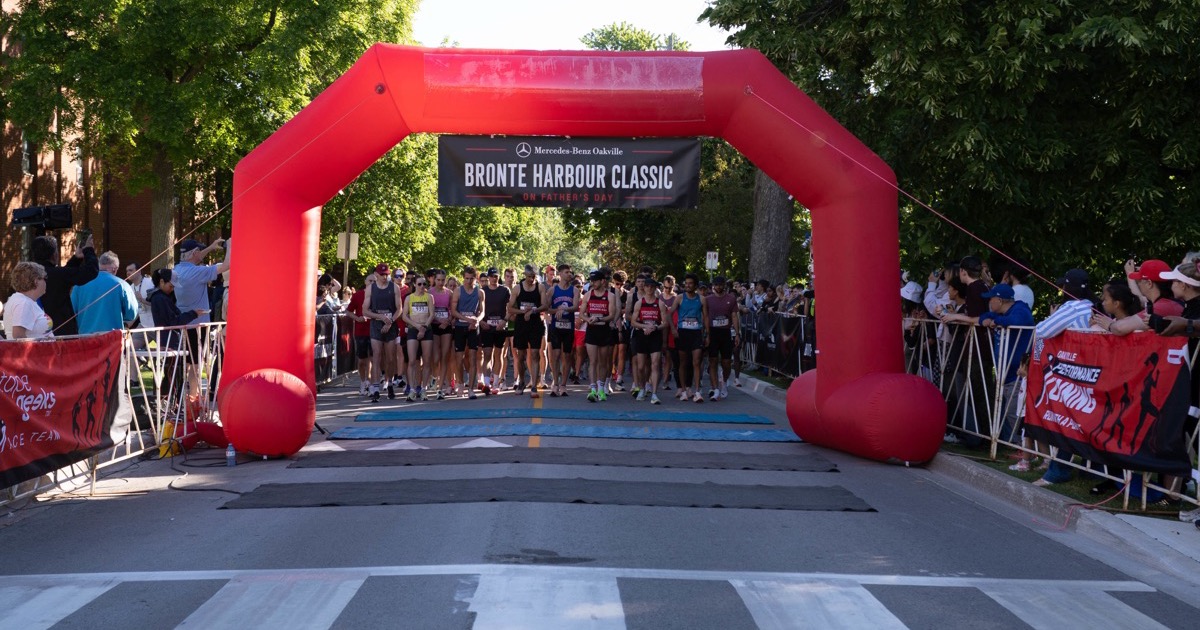
The Medical and Physio Team Behind a Safe Race Day: What Every Runner Should Know
When a race goes smoothly, you rarely see why. Behind the first Bronte Harbour Classic 5K were a sports physio clinic preparing athletes and a St. John Ambulance medical team. Here is what they do, what prevents running injuries, and how to find a clinic that treats runners in Canada.

When to See a Sports Physio for Running Knee Pain in Canada: Red Flags, Self-Care, and Finding the Right Clinic
When to See a Sports Physio for Running Knee Pain in Canada: Red Flags, Self-Care, and Finding the Right Clinic See a sports physio for running knee pain in Canada when pain changes your stride, lasts more than 7 to 10…

Where to Go After a Sports Injury in Canada
Not every sports injury needs the ER. Not every injury should go straight to physio either. Use this Canada-focused guide to choose the right next step safely.
Pelvic Floor Physiotherapy in Canada: What It Is, Who Needs It, and How to Find It
1 in 3 Canadians experience pelvic floor dysfunction — but the average patient sees 7 providers before finding the right help. Here's what pelvic floor physiotherapy actually is, who it's for, and how to find a qualified clinic in your city.

Basketball Injuries: Ankle Sprains, Jumper's Knee & Physiotherapy Guide
Ankle sprains are the most common basketball injury — and the most undertreated. Without proper physio, re-sprain rates hit 70%. Here's the complete recovery guide for Canadian players.

Cycling Injuries: Knee Pain, IT Band & Physiotherapy for Canadian Cyclists
Most cycling injuries aren't from crashes — they're from bad bike fit and training spikes. Knee pain, IT band syndrome, and lower back pain can be fixed with the right physio.

Shockwave Therapy in Canada: What It Is, When It Works, and Where to Find It
Shockwave therapy is one of the most effective treatments for chronic tendon pain — plantar fasciitis, Achilles tendinopathy, and calcific shoulder — that hasn't responded to months of regular physiotherapy.

CrossFit Injuries: Shoulder, Back & Physiotherapy Guide for Canadian Athletes
CrossFit's injury profile is dominated by shoulder and lower back problems. The right physio won't tell you to stop training — they'll build rehab around your WOD schedule.

Soccer Injuries: ACL, Ankle Sprains & Physiotherapy Guide for Canadian Players
Soccer is Canada's most-played team sport — and ankle sprains, ACL tears, and hamstring strains are the injuries filling physio clinics across the country. Here's what to do about each.

Hockey Injuries: Physiotherapy Guide for Canadian Players
Hockey's injury profile is unlike any other sport in Canada. Groin strains, shoulder separations, and concussions all require sport-specific rehab. Here's what Canadian players need to know.

WCB Physiotherapy in Canada: What's Covered by Province (2026)
Injured at work in Canada? In most provinces you walk into a WCB-approved physio clinic today — no doctor required. Here's exactly what's covered, by province.

Dry Needling vs. Acupuncture in Canada: Which One Do You Actually Need?
Same needle, completely different treatment. Dry needling targets muscle trigger points. Acupuncture targets energy meridians. Here's how to choose — and who's legally allowed to do each in Canada.

Tennis Elbow Treatment in Canada: Why Rest Makes It Worse (And What Actually Works)
Tennis elbow affects far more office workers than tennis players. And most people treat it wrong — complete rest actually slows recovery. Here's what Canadian physiotherapists know that most patients don't.

Shockwave Therapy in Canada: Conditions, Costs, and What to Expect
Shockwave therapy costs $75-200 per session in Canada and works for stubborn tendon injuries that haven't responded to physio. Here's the condition-by-condition evidence, what to expect, and how to find a clinic near you.
RAMQ et physiothérapie au Québec : ce qui est couvert (et ce qui ne l'est pas)
La RAMQ ne rembourse pas la physiothérapie en clinique privée. Voici exactement ce qui est couvert, comment utiliser votre assurance collective, et quand la CNESST ou la SAAQ prennent en charge vos soins.
Entorse de cheville : traitement, récupération et retour au sport au Québec
Une entorse de cheville grade II ou III nécessite la physiothérapie pour éviter l'instabilité chronique. Protocole POLICE, proprioception, taping — voici le traitement complet et les délais réalistes.

Fasciite plantaire au Québec : traitement, exercices et quand consulter
La fasciite plantaire touche 10 % des coureurs québécois. Étirements du matin, charges excentriques, orthèses, ondes de choc — voici les traitements qui fonctionnent vraiment et quand consulter en clinique sportive.
Comment trouver un physiothérapeute au Québec : guide complet 2025
Au Québec, vous pouvez consulter un physiothérapeute directement sans ordonnance médicale. Voici comment trouver le bon professionnel, vérifier ses qualifications OPPQ, et choisir une clinique adaptée à votre blessure.

How to Apply Kinesiology Tape: A Step-by-Step Guide for Common Sports Injuries
Kinesiology tape only works if you apply it right. Wrong tension, wrong direction, wrong skin prep — and you get nothing. Here's the actual technique, broken down by body part.

How to Find a Physiotherapist in Canada (Without Wasting Time on the Wrong Clinic)
Not all physio clinics are the same. Here's how to find a qualified physiotherapist in Canada, check their credentials, and avoid booking at the wrong place for your injury.

What to Expect at Your First Sports Physio Appointment in Canada
Your first physiotherapy appointment isn't just about getting treated — it's a full assessment that determines your diagnosis and recovery plan. Here's how to make the most of it.
How to Use Extended Health Benefits for Sports Injury Treatment in Canada
Most Canadians don't use their full physiotherapy benefits. Here's how to understand your coverage, maximize your annual limits, and get reimbursed quickly.

Does Physiotherapy Require a Referral in Canada? Province-by-Province Guide
You don't need a doctor's referral to book a physiotherapy appointment in Canada. But whether your insurance will pay without one is a different question.

Kinesiology Tape for Knee Pain: How It Works and When to Use It
Kinesiology tape can reduce knee pain and support movement during recovery — but only when applied correctly for the right condition. Here's what physiotherapists actually say.
Physiotherapy vs. Chiropractic: Which Is Right for Your Sports Injury?
Both physiotherapists and chiropractors treat sports injuries — but they approach it differently. Here's how to choose based on your actual injury, not just preference.
Kinesiology Tape vs. Athletic Tape: What's the Difference?
Both tapes are used in sports injury treatment — but they do opposite things. One restricts movement, one encourages it. Here's how to pick the right one.

IT Band Syndrome Treatment: Physiotherapy, Taping, and What Actually Works
IT band syndrome stops runners in their tracks around the 20-minute mark. The internet says foam roll it. Physiotherapists say that's not enough. Here's what actually fixes it.
Plantar Fasciitis Treatment: A Physiotherapy and Kinesiology Tape Guide
That stabbing heel pain when you take your first steps in the morning is almost certainly plantar fasciitis. Here's the physiotherapy approach that actually clears it up.
Rotator Cuff Injury: What to Expect from Physiotherapy
Not all rotator cuff injuries need surgery. In fact, most don't. Here's what physiotherapy actually does for the rotator cuff and what realistic recovery looks like.
Sports Medicine vs. Physiotherapy: Which Do You Actually Need?
Sports medicine doctors and physiotherapists both work with athletes, but they do different things. Knowing the difference saves you time, money, and the frustration of seeing the wrong provider first.

What Is Athletic Therapy? How It Differs from Physiotherapy
Athletic therapy is a regulated health profession in Canada focused specifically on physically active people. Here's what athletic therapists do and when to see one instead of — or alongside — a physiotherapist.

Kinesiology Tape for Shin Splints: Does It Actually Work?
Shin splints hit runners hard — especially beginners ramping up too fast. Kinesiology tape is one of the most popular management tools. Here's what it actually does and how to apply it.
How Long Does Physiotherapy Take? A Realistic Timeline for Common Sports Injuries
Every physio says 'it depends.' That's true, but unhelpful. Here are realistic physiotherapy timelines for the most common sports injuries so you know what to actually expect.

How to Find the Right Sports Clinic in Canada: What to Actually Look For
A Google search for 'sports clinic near me' returns hundreds of results. Here's how to filter through them and find a clinic that actually matches your injury and insurance.
Ankle Sprain Treatment: When to See a Physiotherapist and How Taping Speeds Recovery
Most ankle sprains are undertreated — RICE isn't enough. Here's the physiotherapy approach that actually prevents chronic ankle instability and gets you back to sport faster.

How to Choose a Sports Physiotherapist in Canada (What Most People Get Wrong)
Booking the first available physiotherapist is the single most common mistake athletes make. The difference between a general physio and a true sports physiotherapist can mean returning to sport in 6 weeks instead of 6 months.
Does OHIP Cover Physiotherapy? Canada Insurance Coverage Guide (2026)
OHIP does not cover private physiotherapy for most Ontarians. But between extended health benefits, WSIB, ICBC, and HSA accounts, most Canadians have more coverage than they realize.

IT Band Syndrome Physiotherapy Treatment for Runners (Why Foam Rolling Doesn't Work)
Foam rolling your IT band feels like it's doing something. It isn't fixing the problem. IT band syndrome is a hip strength issue masquerading as a knee injury — and physiotherapy targets the actual cause.

Physiotherapy for Plantar Fasciitis: Complete Treatment Guide for Runners
Resting plantar fasciitis makes it feel better in the short term and worse in the long term. The fascia needs progressive loading to remodel — physiotherapy provides the structure to do that without re-injuring it.
Shin Splints Physiotherapy Treatment: Complete Recovery Guide for Runners
Shin splints stop more new runners than any other injury. The good news: medial tibial stress syndrome is highly treatable with the right load management. The bad news: running through it can turn it into a stress fracture.

Ankle Sprain Physiotherapy: Recovery Timeline, Exercises & Taping Guide
Ankle sprains are the most common sports injury in Canada — and the most undertreated. Without proper proprioception rehabilitation, re-sprain rates exceed 70%. Here's the physiotherapy protocol that actually prevents re-injury.

Kinesiology Tape vs Athletic Tape: The Complete Guide (Which One Do You Actually Need?)
Kinesiology tape and athletic tape are not interchangeable. One is elastic and neurological. The other is rigid and mechanical. Using the wrong one won't just fail — it can slow recovery.

Sports Medicine vs Physiotherapy in Canada: Which One Do You Need First?
Most athletes default to whoever is available first. But the choice between a sports medicine doctor and a physiotherapist shapes your recovery trajectory — and in Canada, the access and cost differences are significant.
Kinesiology Tape for Shoulder Pain: 3 Techniques That Actually Work (Rotator Cuff, Impingement & Scapular)
Kinesiology tape on the shoulder isn't one technique — it's three, each targeting a completely different problem. Applying the wrong one wastes your time and tape. Here's what Canadian physiotherapists actually use and why.

Physiotherapy for Lower Back Pain in Athletes: Why It's Different From Typical Back Pain
Eight in ten Canadians will experience lower back pain. But athlete back pain — in a deadlifter, a runner, a rower — is fundamentally different from the desk worker's Tuesday morning flare. The same treatment doesn't work for both.