Shin Splints Clinics in Canada
Shin splints (medial tibial stress syndrome) are common in runners and athletes who have recently increased training load. Kinesiology tape can reduce tibial muscle tension and impact forces, while physiotherapy addresses running mechanics and training load management.
7,833 clinics across 12 provinces
Select your province
Ontario
4355 clinics
British Columbia
1156 clinics
Quebec
735 clinics
Alberta
670 clinics
New Brunswick
292 clinics
Manitoba
191 clinics
Saskatchewan
191 clinics
Nova Scotia
185 clinics
Newfoundland and Labrador
20 clinics
Prince Edward Island
15 clinics
Yukon
12 clinics
Nunavut
11 clinics
Shin Splints — Frequently Asked Questions
What are shin splints and how are they treated with physiotherapy?
Shin splints (medial tibial stress syndrome) cause pain along the inner edge of the shinbone, most commonly in runners and athletes who have recently increased training load. Canadian physiotherapists treat shin splints by modifying training load, correcting running mechanics, strengthening hip and calf muscles, and using kinesiology tape to reduce tibial muscle stress during activity.
How long do shin splints take to heal?
Mild shin splints typically resolve in 2–4 weeks with reduced training load and physiotherapy. More severe cases, or those that have progressed to a stress reaction or stress fracture, can take 6–12 weeks or longer. Running through shin splint pain significantly worsens recovery — a brief reduction in mileage with targeted physiotherapy is the fastest path back to full training.
Does kinesiology tape help shin splints?
Kinesiology tape applied to the tibialis anterior and posterior reduces muscular tension and impact forces on the tibia during running. Canadian physiotherapists and athletic therapists commonly tape shin splints to allow continued lower-intensity training during recovery. It reduces symptoms but doesn't address the root cause — always combine with load management and strengthening.
How do I prevent shin splints from coming back?
The most effective shin splint prevention strategies are progressive training load increases (no more than 10% volume per week), hip strengthening to reduce lower leg stress, appropriate running shoes, and calf and Achilles flexibility work. A physiotherapist can assess your running gait and identify biomechanical factors — like overpronation or hip drop — that increase tibial stress.
Related Reading
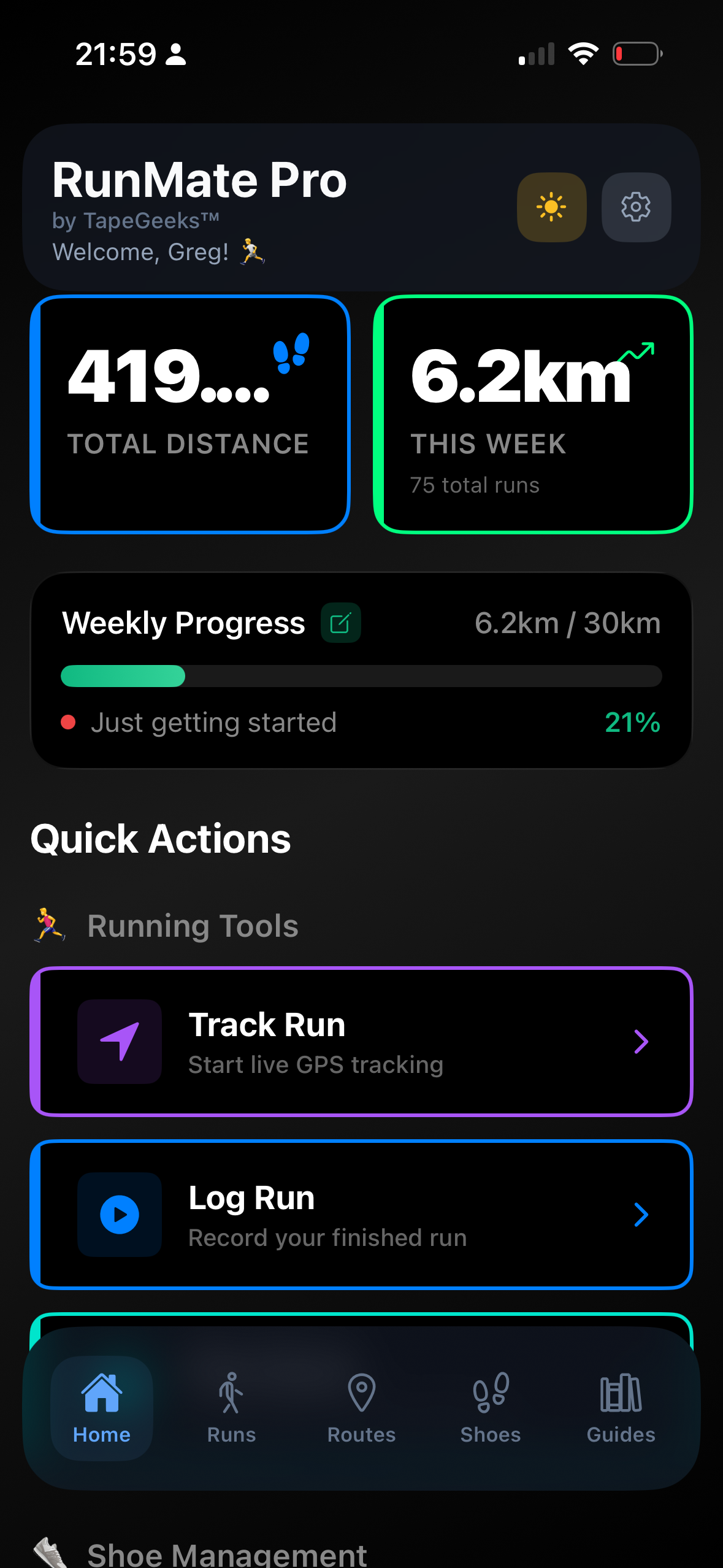
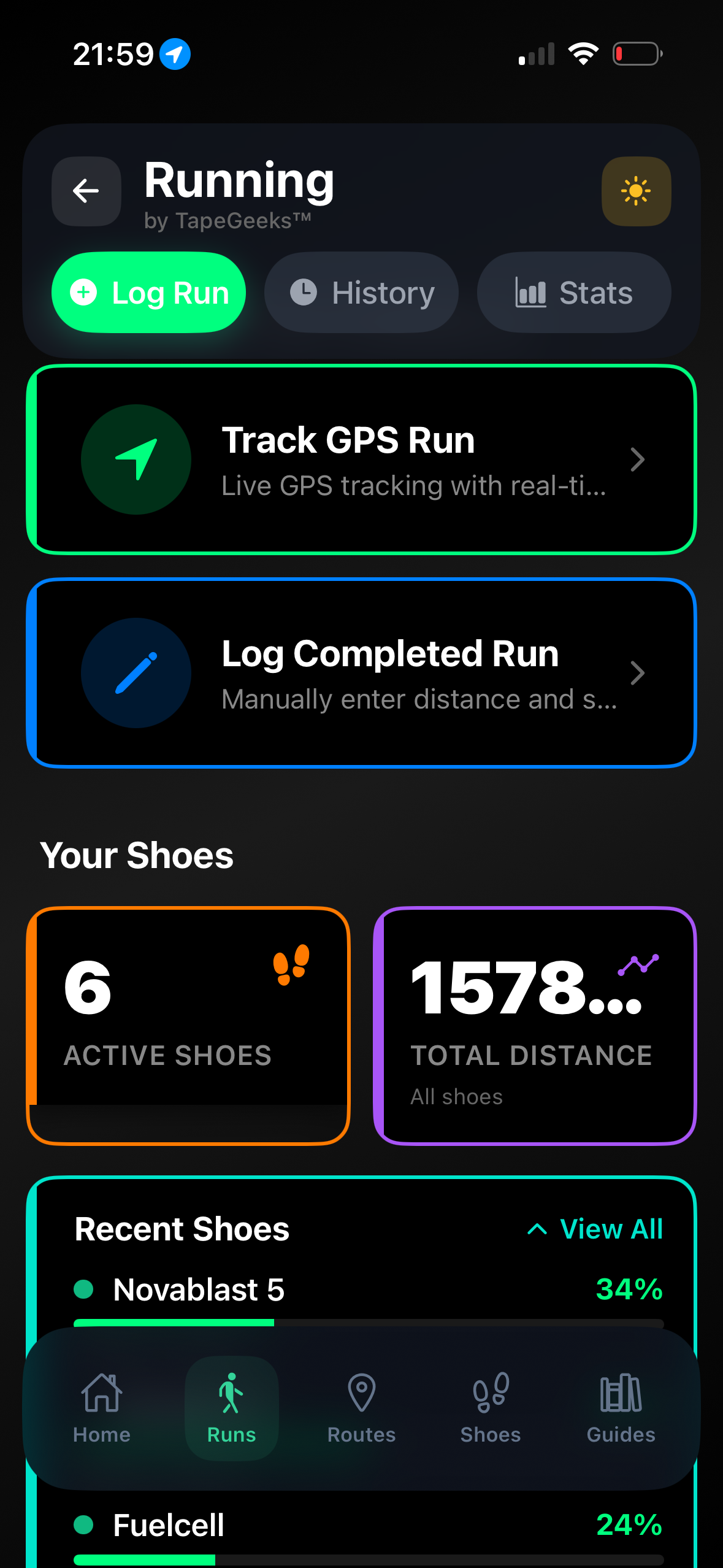
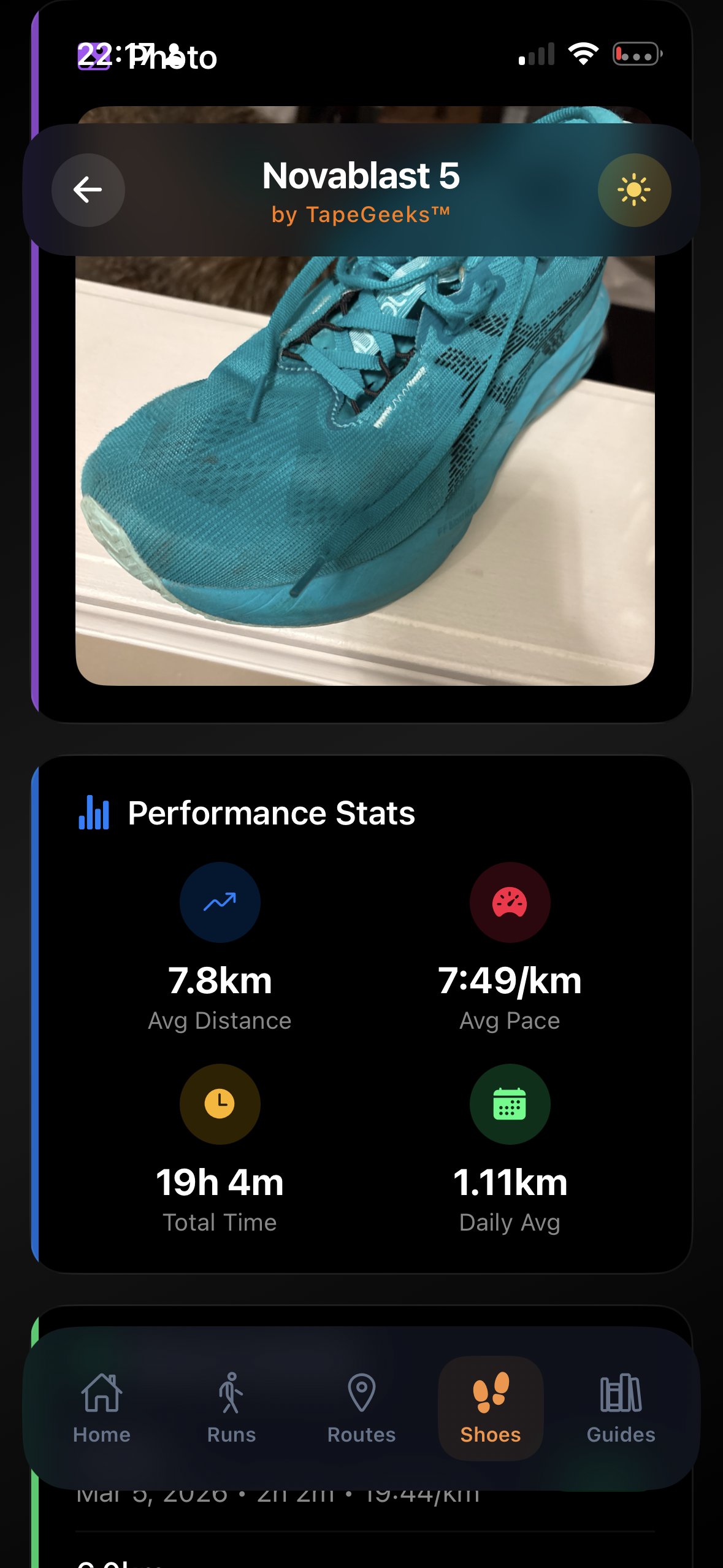
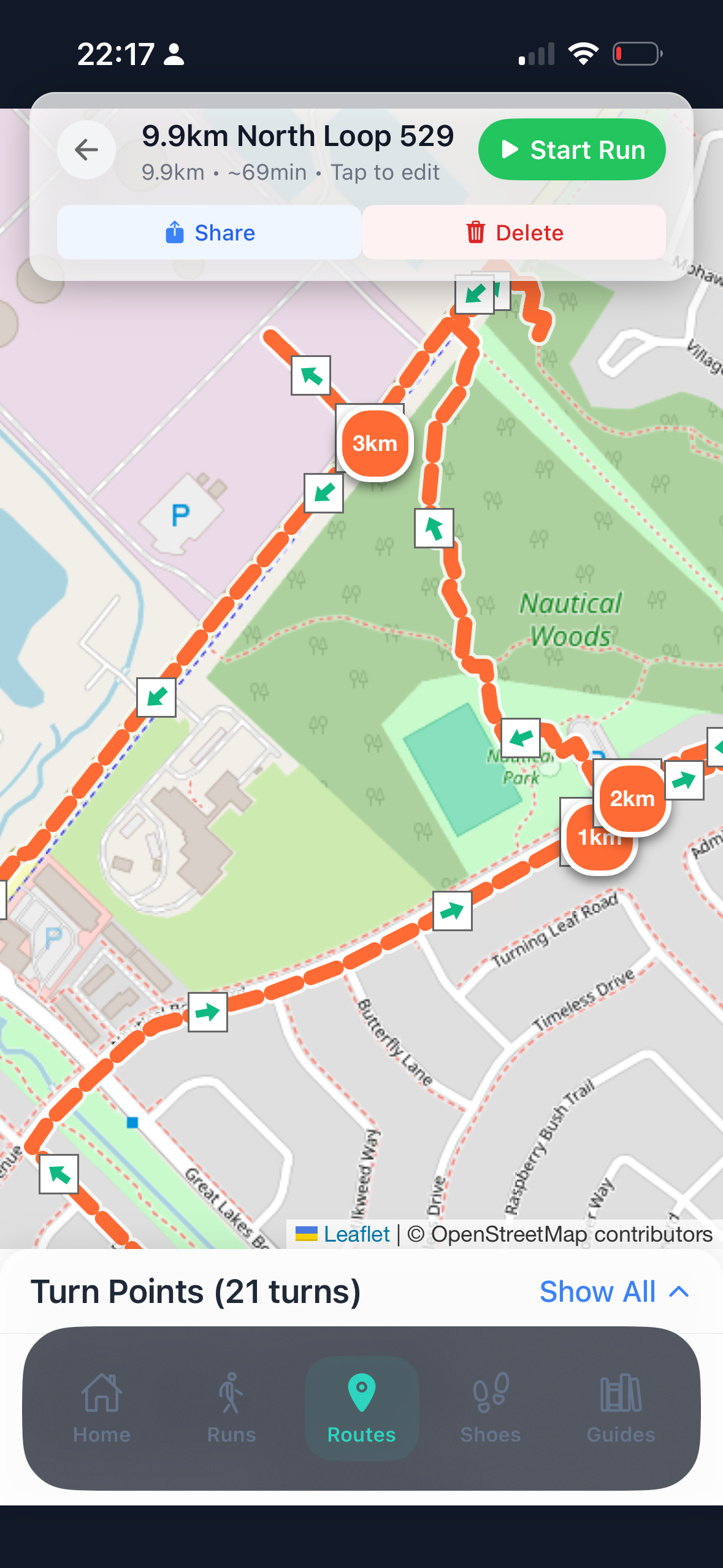

RunMate Pro
by TapeGeeksInjury prevention tools, GPS tracking, and shoe mileage monitoring — built for Canadian athletes.
Explore RunMate Pro →For Clinic Owners
Get found by patients who are ready to book
⭐ Limited launch offer: the first 500 clinics to claim their listing get a free Premium upgrade — photo gallery, team profiles & top placement.
- ✓Free listing — no subscription, no catch
- ✓Appear in city, specialty, sport & injury searches
- ✓Alongside 12,700+ Canadian sports clinics
- ✓Added within 3–5 business days